Half upfront, the rest at the end
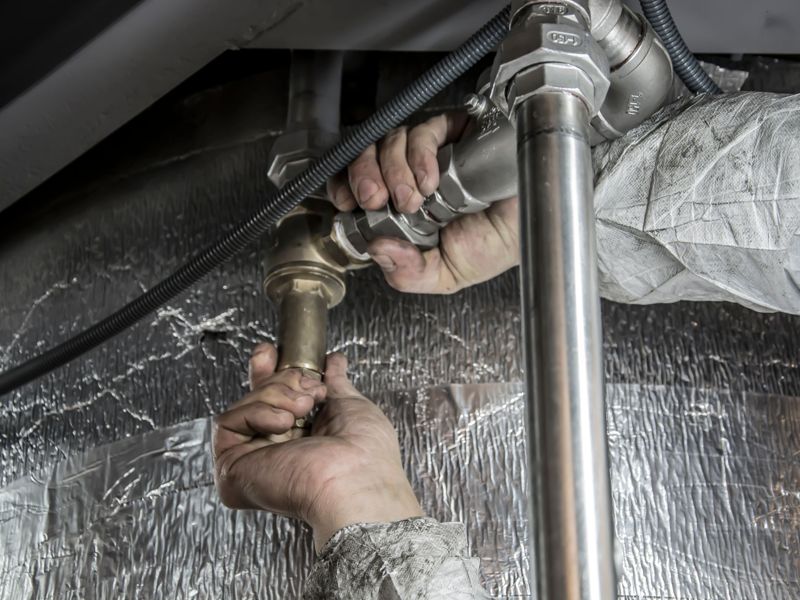
The business does residential plumbing, drainage, concreting and retaining walls around Wellington. Its customers are homeowners, and the work runs from pipework and drains to concrete and retaining walls.
The terms are simple. Half the price comes in as a deposit before the work starts, and the balance is due soon after the job is finished.
Between those two payments sits everything the job costs: the materials, the machinery on site and the crew doing the work.
Every job starts with a materials bill
A deposit covers the start of a job, not the whole of it. The materials get ordered, the gear gets hired and the crew gets paid as the work goes along, all of it before the balance comes in.
That’s workable on one job. The business was growing, though, with more enquiries coming in and several jobs running side by side. Each of them needed its materials and labour paid for upfront, and the balances only landed as each job finished.
When they signed up, the owner told the FundTap team the hard part was paying for materials and labour upfront on several jobs at once.
Funding the finished jobs
They signed up in January 2025, connected their accounting software and funded two invoices that month.
When a job is finished and the invoice goes out, the owner can fund it rather than wait for the balance to land. The fee is shown before they commit, and the homeowner still pays the business directly, on the usual terms.
Starting the next job without the wait
With a finished job’s invoice funded, the money is there for the next one: the materials order, the gear and the crew’s wages.
That was the point from the start. At sign-up, the owner explained that covering those upfront costs would let the business take on more projects without making the next one wait.
Jobs can run side by side instead of one after another, and a homeowner who’s ready to start doesn’t have to wait for someone else’s balance to clear.
Ready for the next run of jobs
Five invoices have been funded in all, the last of them in March 2025. Nothing has been funded since, and nothing has been charged for the months in between.
The next time several jobs want their materials paid for at once, the funding is ready.
The timeline
- January 2025 Signed up and connected their accounting software, with several jobs on the go and materials to pay for.
- January 2025 Funded their first two invoices.
- March 2025 Funded the most recent invoice, the fifth in all.
In numbers
- 7 days after a job is finished before the balance is due
- 5 invoices funded since January 2025
- 2 invoices funded in January 2025, the month they signed up
Invoices funded each month, as a table
| Month | Invoices funded |
|---|---|
| January 2025 | 2 |
| February 2025 | 2 |
| March 2025 | 1 |
| April 2025 | 0 |
| May 2025 | 0 |
| June 2025 | 0 |
| July 2025 | 0 |
| August 2025 | 0 |
| September 2025 | 0 |
| October 2025 | 0 |
| November 2025 | 0 |
| December 2025 | 0 |
| January 2026 | 0 |
| February 2026 | 0 |
| March 2026 | 0 |
| April 2026 | 0 |
| May 2026 | 0 |
| June 2026 | 0 |
| July 2026 | 0 |
| August 2026 | 0 |
| September 2026 | 0 |
Sound like your business?
Half comes in as a deposit and the rest when the job’s done, but the next job’s materials are due now. Fund the finished one and keep the crew moving.
Get paid now for work you’ve already done.
Invoice finance for construction and trades • All case studies
